Federal prosecutors negotiated Epstein’s deal without consulting his victims.
Section 1 of 9 · Introduction
Federal prosecutors negotiated Epstein’s deal without consulting his victims.
The Epstein files record abuse. They also record what institutions knew, decided and failed to do.
By Al Agami · XORCIS.AI · 7 October 2026
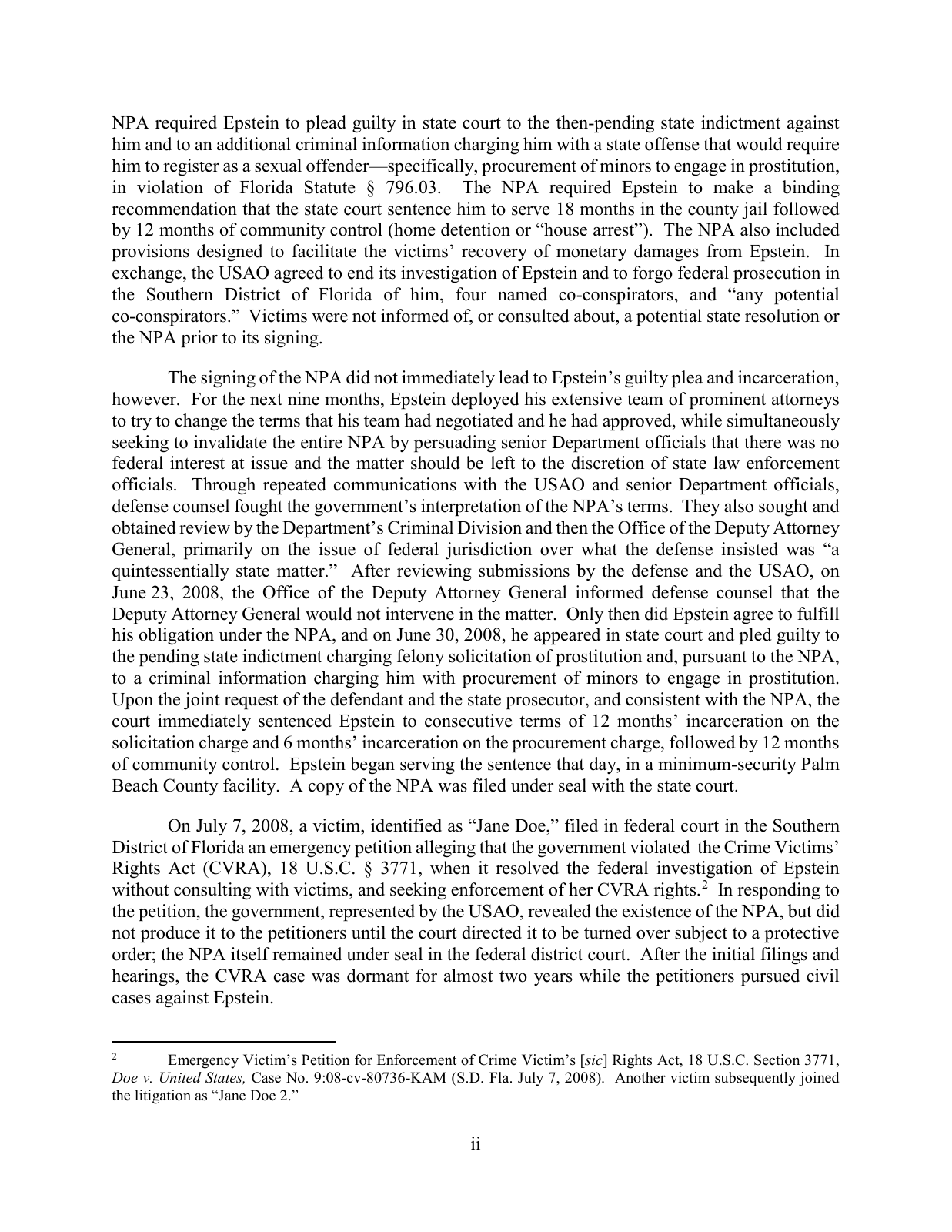
In September 2007, federal prosecutors in South Florida signed a non-prosecution agreement with Jeffrey Epstein without first consulting his victims. The agreement resolved the federal investigation through a state-based arrangement. In 2008, Epstein pleaded guilty to Florida offences involving prostitution, including procurement of minors. He received an 18-month jail sentence. [1]
The legal terminology should not soften the fact that children were sexually exploited. In a separate federal prosecution, Ghislaine Maxwell was convicted in 2021 and sentenced in 2022 to 20 years for her role in conspiring with Epstein to sexually abuse minors. That is criminal accountability established through a trial, not suspicion generated by a name in a file. [2]
The public record contains another failure: in 2019, the federal prison responsible for holding Epstein failed to maintain required supervision. His death ended the prospect of trying him on the pending federal charges. The Inspector General identified the resulting loss to victims’ opportunity for justice. [3]
An institution does not need to deny abuse to diminish the people reporting it. It can make consequential decisions about their cases without giving them a meaningful opportunity to be heard.
In this article, “institutional failure” describes documented decisions and omissions. It does not serve as shorthand for a secret conspiracy.
The distinction matters. A claim of corruption requires evidence of corruption. A failure to consult victims can be examined from the record of consultation, or its absence. We do not need to invent a hidden explanation before holding a visible decision accountable.
The 2020 Office of Professional Responsibility review found that Alexander Acosta exercised poor judgment in choosing the non-prosecution agreement and in failing to ensure victims were notified of the state plea hearing. It also found that victims were not treated with the forthrightness and sensitivity the Department expected. [1]
The institutional question is therefore practical: who was responsible for making sure victims knew what was happening, and how did the process proceed without that assurance?
A different failure appears in the custody record. The 2023 Inspector General review found missed rounds and inmate counts, falsified records indicating checks had occurred, and serious deficiencies in camera recording. [3]
A completed form can make an institution appear to have performed a duty. If the recorded action never occurred, the form becomes evidence of the failure.
These episodes involve different officials, responsibilities and decisions. They should not be collapsed into a single motive. Together, however, they show why accountability must examine what institutions actually did, not merely what their procedures required.
The prosecutorial review did not find professional misconduct. It also found no evidence that Acosta’s decision resulted from corruption or impermissible considerations such as Epstein’s wealth, status or associations. Those limits belong in the article alongside its criticisms. [1]
The custody review found no evidence contradicting the FBI’s determination that Epstein’s death did not result from criminal action by non-prison actors. The medical examiner determined that he died by suicide. Documented negligence and falsified records do not, by themselves, establish murder. [3]
Maxwell’s conviction also prevents an account in which every institution did nothing. A jury heard evidence; a court imposed punishment. That later accountability does not erase earlier failures. It establishes that the record includes both failure and prosecution. [2]
The files establish more than an association between a notorious offender and prominent people. The records used here document a prosecutorial resolution, failures in victim communication, criminal accountability for Maxwell and breakdowns in federal custody.
They do not prove every circulating allegation or make every person mentioned in an Epstein-related document guilty.
The abuse deserves investigation on its own evidence. Institutional decisions deserve examination on theirs. Protecting victims’ identities and private details is compatible with demanding transparency about public officials’ actions.
The question is not simply how much paper has been released. It is whether the documents make responsibility visible: who knew, who decided, who failed to act, and what consequences followed.
What is answered, and what remains open. Questions 1 and 2 are answered through the cited findings about victim notification and institutional procedure. Question 3 is only partly answered: the article does not establish that subsequent measures prevent recurrence.
- Who had a duty to hear and inform victims? What did officials do before agreeing to the resolution, and what did victims know?
- Where did procedure substitute for performance? Which records demonstrate an action, and which merely claim that it occurred?
- What accountability followed the findings? What changed, who was held responsible, and what evidence shows that the same failures will not recur?
The paperwork survived. The safeguards did not.
Sources
- [1] Department of Justice, Office of Professional Responsibility, Executive Summary: Epstein investigation and interactions with victims, November 2020.
- [2] U.S. Attorney’s Office, Southern District of New York, Ghislaine Maxwell sentenced to 20 years in prison for conspiring with Jeffrey Epstein to sexually abuse minors, 28 June 2022.
- [3] Department of Justice, Office of the Inspector General, Findings on the Bureau of Prisons’ custody, care and supervision of Jeffrey Epstein, 27 June 2023.
Scope: this article examines established abuse and specific institutional failures. It does not claim to audit every released file or adjudicate every allegation.