The state collected your records. Snowden exposed theirs.
A government can call surveillance necessary. The harder question is who gets to inspect the evidence. Edward Snowden’s disclosures put records of the surveillance machinery into public circulation. The machinery could then be interrogated.
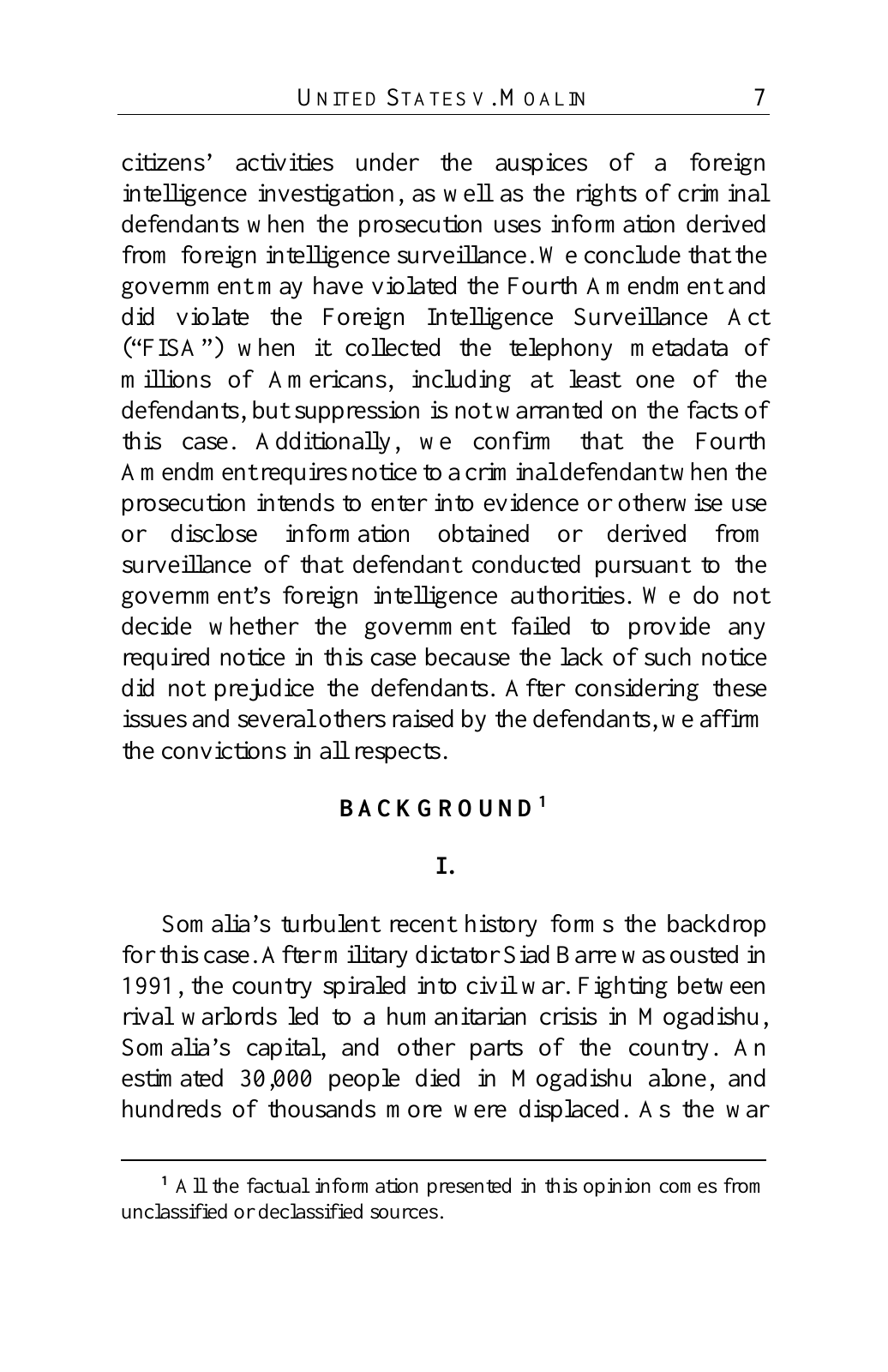
The NSA collected the telephone metadata of millions of Americans. In 2020, the Ninth Circuit held that this bulk collection exceeded the authority Congress had granted under Section 215 and violated the Foreign Intelligence Surveillance Act. The court said the collection may also have violated the Fourth Amendment; it did not resolve that constitutional question as a definitive finding. [1]
Snowden was charged in June 2013 with theft of government property and two offences concerning unauthorized disclosure of national defence and classified communications intelligence information. These are documented charges, not a verdict. A finding against a surveillance program does not automatically dispose of a prosecution over disclosure. Both records belong here. [2]
In June 2013, a leaked court order exposed compulsory delivery of Verizon phone records to the NSA. [3] The invention examined here is institutional: treating an enormous store of ordinary people’s transactions as an intelligence resource, then placing the justification behind a secrecy barrier. A record made to connect a call can acquire a second life as a record through which the state examines relationships.
In this article’s reading, secrecy produced an unequal arrangement. The institution could examine traces of the public’s activity while the public could not examine the institution’s instructions. Consent becomes a strained word when the person subject to collection cannot see what has been authorized in their name.
Metadata describes the fact of a call rather than its spoken content. [4] That distinction matters, but it cannot carry the whole privacy argument. Who contacted whom, and how a pattern of contacts develops, can reveal relationships without a transcript. The absence of recorded words does not make the surrounding record empty.
The mechanism has several steps: a communications transaction creates a record; a legal demand changes who can obtain it; analysis gives it an investigative meaning. Those steps need separate scrutiny. A recorded contact does not establish what was said, why the call occurred or whether either person committed an offence. A trace can support an inquiry without proving its conclusion.
The disclosed order made an instruction available for examination. The counter-record was a document produced by the system itself. That is the reversal: the institution’s paperwork became evidence through which its own conduct could be questioned.
The government’s 2015 implementation fact sheet says the USA FREEDOM Act ended Section 215 bulk collection and replaced it with a process in which providers held and queried records using approved selectors. The new approach took effect on 29 November 2015. This was a change to a specific program, not the end of state surveillance. [4]
The Moalin opinion establishes a statutory violation in the bulk phone program. It also upheld the defendants’ convictions. After reviewing the classified record, the judges concluded that the metadata was unnecessary to the probable-cause showing for the wiretap at issue. They said public statements suggesting otherwise did not match that record. [1]
The documents do not establish that every intelligence activity was unlawful, that every disclosure was harmless or that Snowden was acquitted. Those would require other evidence. The supported conclusion is narrower and still consequential: a program defended through official authority could be found to exceed its legal authority. Classification had concealed a practice; it had not made that practice lawful.
- When ordinary call records became a state intelligence resource, what justified collecting people’s traces before establishing their relevance to a particular investigation?
- How could the public challenge the surveillance instructions while those instructions remained secret, and what changed when the order became public?
- When official claims about the program’s value conflicted with the classified record reviewed by the court, which account should carry authority, and why?
The state wanted the public’s records. Its own arrived as a leak.
XORCIS.AI · Forensic satire
Sources
- Ninth Circuit, United States v. Moalin, 2 September 2020: pp. 7, 27–33; statutory ruling, constitutional uncertainty, classified-record review and affirmed convictions. Document image: p. 7, reproduced in full.
- US Department of Justice, 26 June 2013: statement listing the charges filed on 14 June and the arrest request. The prosecuting authority’s account is identified as such.
- Foreign Intelligence Surveillance Court, Verizon order, 25 April 2013, reproduced by The Guardian in June 2013: the disclosed collection instruction.
- Office of the Director of National Intelligence, implementation of the USA FREEDOM Act of 2015: metadata definition, transition date and replacement collection process.
The argument about unequal visibility is editorial interpretation. Legal findings, charges and policy changes retain their separate sources. This article does not assess every Snowden disclosure or his present legal and personal circumstances.